|
Hi Folks!
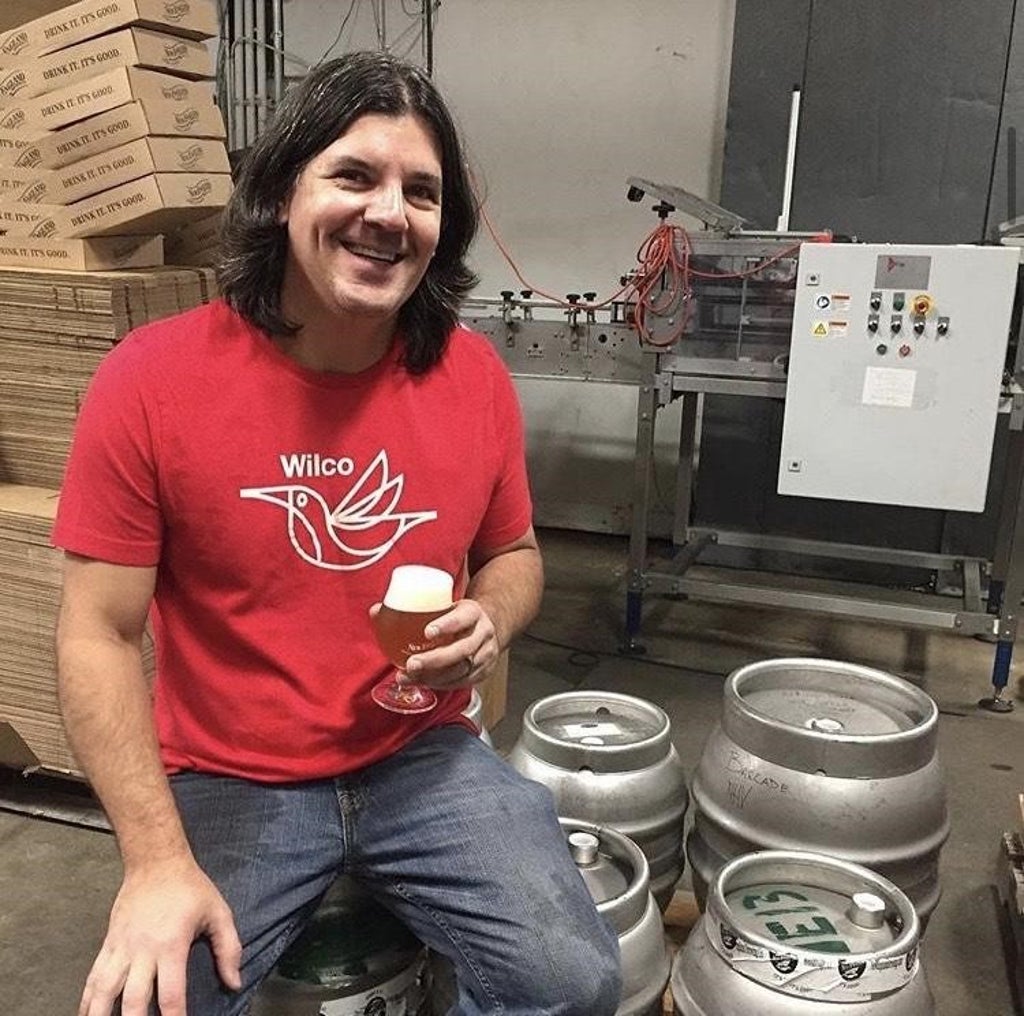
Greg Radawich here, Brewer/Brewery Operations Manager at New England Brewing Co. This is the first in a series of blog posts. The focus of these monthly posts will be stories on how certain Nebco beers came to be, technical information about ingredients/processes, and a look into the production side of Nebco.
It only makes sense to start off by telling you a little about myself, my background in brewing/beer, and how I ended up a part of the Nebco family.
I started becoming interested in craft beer in the mid-to-late ’90s in Boston – a bit of a dark time in American beer. Very few local options and dusty old imports were often the only ways to explore new (to me) beer styles. I quickly discovered a disconnect with how beer writers described these beers, and what I was actually tasting.
This led me to the conclusion that all aspiring home brewers make – "I should start making my own beer!". A few months later, my girlfriend (now my wife) surprised me with a starter kit, including ingredients for my first beer — a German wheat beer that somewhat resembled a Hefeweizen. When I finally tried the first bottle a month or so later, it was beer! I was hooked.
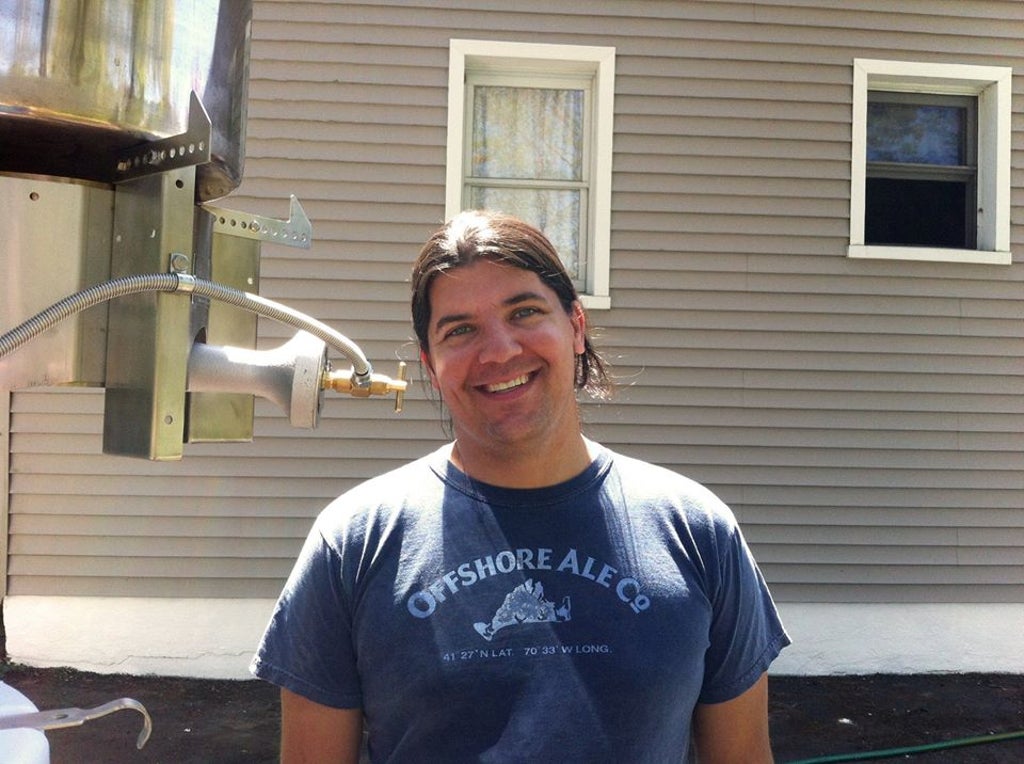
What started as stovetop extract batches quickly turned to brewing all-grain batches outside. Naturally-conditioned bottles quickly turned to multiple kegs in a kegerator. Steady improvements led to beer I was excited to share with friends. I was the guy that would show up to a party with a keg of homebrew... and people actually seemed to enjoy it (it was free...).
Eventually, this leads to hearing the statement home brewers often hear: "This is great! You should open your own brewery!". While this was fun to think about, I was broke, craft beer popularity wasn't what it is today, and I was just happy to have something fun to do on the weekends.
|